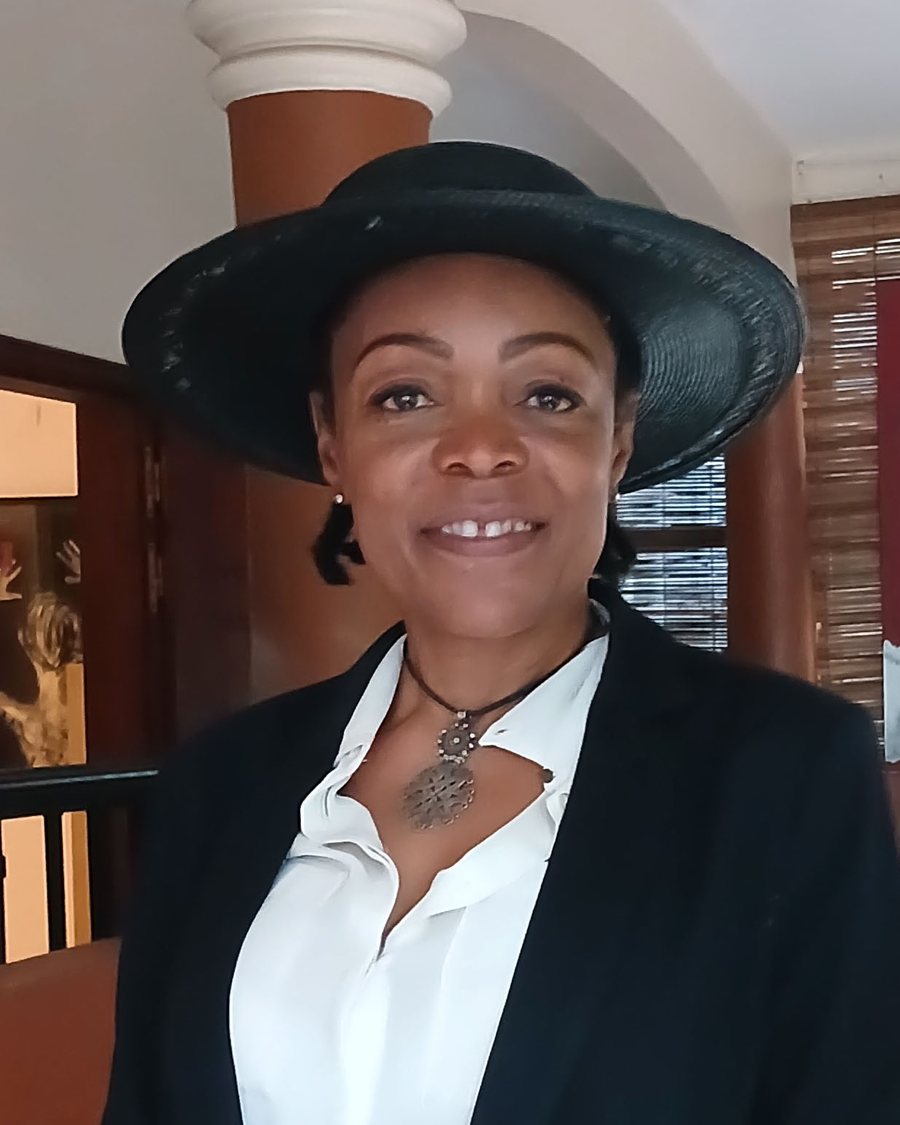
Edith Ursule Mbella
Founder · expert in Central African ritual art
Mission, vision, values.
The Edith Mbella practice supports collectors, heirs, institutions and professionals in reading, authenticating and valuing Central African ritual objects, with one simple requirement: to say what we know, and how we know it.
A ritual object is never merely a form. It carries a function, a hand, a place, sometimes a succession of owners. Our mission is to reconstruct that depth as far as the sources allow, then make it legible to those responsible for it: an owner, a family, a museum, an insurer, a notary.
In practice, the practice works in three areas: authentication, valuation and provenance research, together with advice, curating and training.
The practice was founded by Edith Mbella, who is Cameroonian and Spanish and divides her life between Douala and Spain. This dual belonging shapes the method: fieldwork in Africa on one side and, on the other, hands-on experience of the European market — Paris, Brussels, Barcelona, Madrid — where she has exhibited, advised and run galleries.
This rare position makes it possible to set what objects say against what archives say and what the market says, without letting any one prevail over the others.
Democratising art, shedding its elitist image, valuing authenticity and transmission.Edith Mbella’s conviction · from an interview
The practice does not promise a “guaranteed” certificate: the authenticity of an old object rests on a body of evidence, and an honest opinion sets out its limits. Nor does it set its fees according to the estimated value, or give an opinion on objects whose export or possession would be manifestly unlawful without warning its client.
The practice carries on from the Oba African Art Gallery (Barcelona), the Edith Mbella Gallery (Madrid) and Espace Bolo (Douala). For the full career, see the timeline from Paris to Douala; for our ethics, the ethics page.
Founder · expert in Central African ritual art
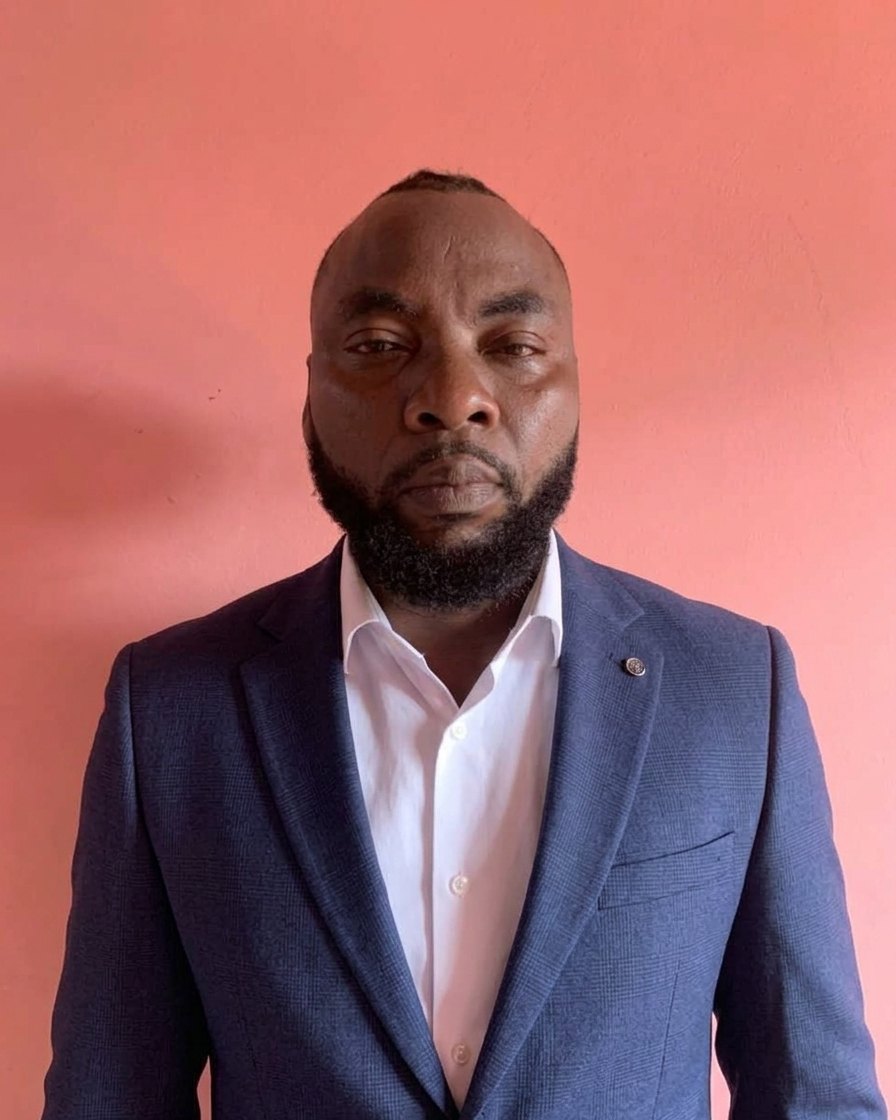
Archaeologist and expert in Central African ritual art · head of C14 dating
Frequently asked questions
No. The practice presents itself as independent: it is not attached to an auction house, and its fees do not depend on a transaction. The practice operates as a sole proprietorship, with no financial ties to a gallery or auction house.
From Douala and Spain, with video calls and agreed visits. The practice works in Cameroon, Spain, France and Belgium, and remotely everywhere else.
French is the site’s main language, with English and Spanish versions planned. French, English and Spanish are the working languages.
Next step
Describe your piece in a few lines and attach photographs: the reply is confidential.